
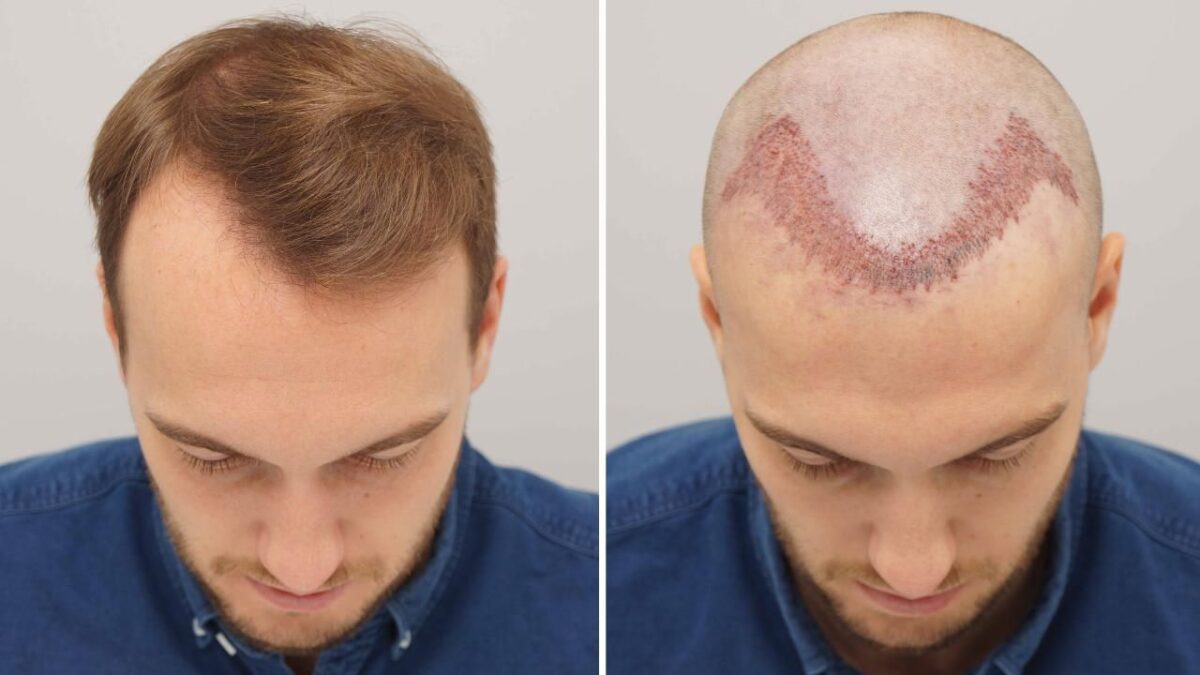
Hair transplants have become common but the information around them is still mixed with a lot of guesswork. Some people trust old stories from years ago. Others believe things they saw on social media without checking if they are true. This mix of fact and fiction often stops people from making a clear decision. Here is what is actually true.
Fiction: A Hair Transplant Looks Fake
This idea comes from older techniques used many years ago. Older strip methods sometimes left visible scarring and unnatural patterns. Modern FUE methods place each graft one by one and follow the natural direction of hair growth. The surgeon studies the angle and direction of existing hair before placing new grafts. The result blends with existing hair and looks completely natural once it grows in.
Fact: The Procedure Uses Your Own Hair
A hair transplant moves healthy hair follicles from a donor area (usually the back of the scalp) to areas with thinning or no hair. The donor area is chosen because hair there is naturally resistant to the hormone that causes hair loss. This is why the new hair matches the original hair in color and texture. It is not a wig or an artificial add-on and it grows just like the rest of your hair.
Fiction: Results Show Up Immediately
Many people expect full hair right after the procedure. This is not how it works. Transplanted follicles go through a resting phase first and it is common for some shedding to happen in the early weeks. This shedding is normal and not a sign of failure. Visible growth usually starts around month three or four and full results take about a year to show.
Fact: The Procedure Is Not Extremely Painful
Local anesthesia is used during the entire process. Most patients feel some pressure but not sharp pain. Many patients even watch videos or relax during the procedure since it is done while fully awake. Mild discomfort during recovery is normal and can be managed with basic pain medication prescribed by the clinic.
Fiction: Only Men Get Hair Transplants
Hair thinning affects women too, often due to hormonal changes, stress or genetics. Female hair loss usually shows up as overall thinning rather than a receding hairline which changes how the procedure is planned. Clinics regularly perform transplants on female patients using the same FUE technique adjusted for female hair loss patterns.
Fact: Donor Hair Is Limited
Not everyone has unlimited donor hair. A good surgeon checks donor area density before deciding how many grafts can be safely removed. This step protects the donor zone from looking thin after the procedure. Taking too many grafts can leave the donor area visibly thin, which is why an honest assessment matters more than a high graft number promise.
Fiction: One Session Fixes Everything Forever
For most patients one session is enough. But hair loss is often an ongoing process especially in younger patients. New thinning can appear in untreated areas years later as the natural hair loss pattern continues. This does not mean the transplant failed. It simply means hair loss is a continuing condition not a one-time event that stops on its own.
Fact: Aftercare Affects the Final Result
How the scalp is cared for after the procedure has a real impact on graft survival. Following the clinic’s instructions on washing, sun exposure and medication during the first few weeks helps protect the new grafts. Skipping these steps can lower survival rates and delay healthy hair growth so patients should treat the recovery period as seriously as the procedure itself.
Fiction: Cheaper Clinics Give the Same Results
Price differences usually reflect real differences in surgeon skill equipment and the amount of time spent on each patient. A lower price sometimes means less experienced staff or rushed procedures where many patients are treated in one day. This can lower graft survival and affect how natural the final result looks months later.
Fact: A Proper Consultation Matters
Before any procedure a good clinic checks hair loss patterns, scalp health and realistic goals. This step helps set correct expectations and avoid surprises later. A rushed consultation that skips straight to booking a date is usually a warning sign. Anyone researching a best hair transplant in Lahore should treat this consultation as a key part of the decision, not just a formality before payment.
At Institute Cosmetique every consultation is built around this kind of honest assessment, so patients know exactly what to expect before moving forward with treatment.
In Closing
There is a lot of false information around hair transplant from fear of unnatural results to myths about pain and instant results. The real facts are simpler than the rumors: it uses your own hair, results take time, aftercare matters and honest consultation makes the biggest difference in outcome. Knowing the difference between fact and fiction helps patients make a decision based on reality instead of rumors.
Frequently Asked Questions
1. Does a hair transplant hurt?
Local anesthesia keeps the procedure mostly pain-free, with only mild discomfort during recovery.
2. How long before I see real results?
Growth usually starts around three to four months with full results visible after about a year.
3. Can women get hair transplants too?
Yes, women experiencing hair thinning are common candidates for the same FUE procedure.
4. Will I need more than one session?
Most patients need only one session though future thinning in new areas may need separate treatment later.
5. Why do some clinics charge much less than others?
Lower prices often reflect less experienced staff or reduced quality equipment which can affect final results.