
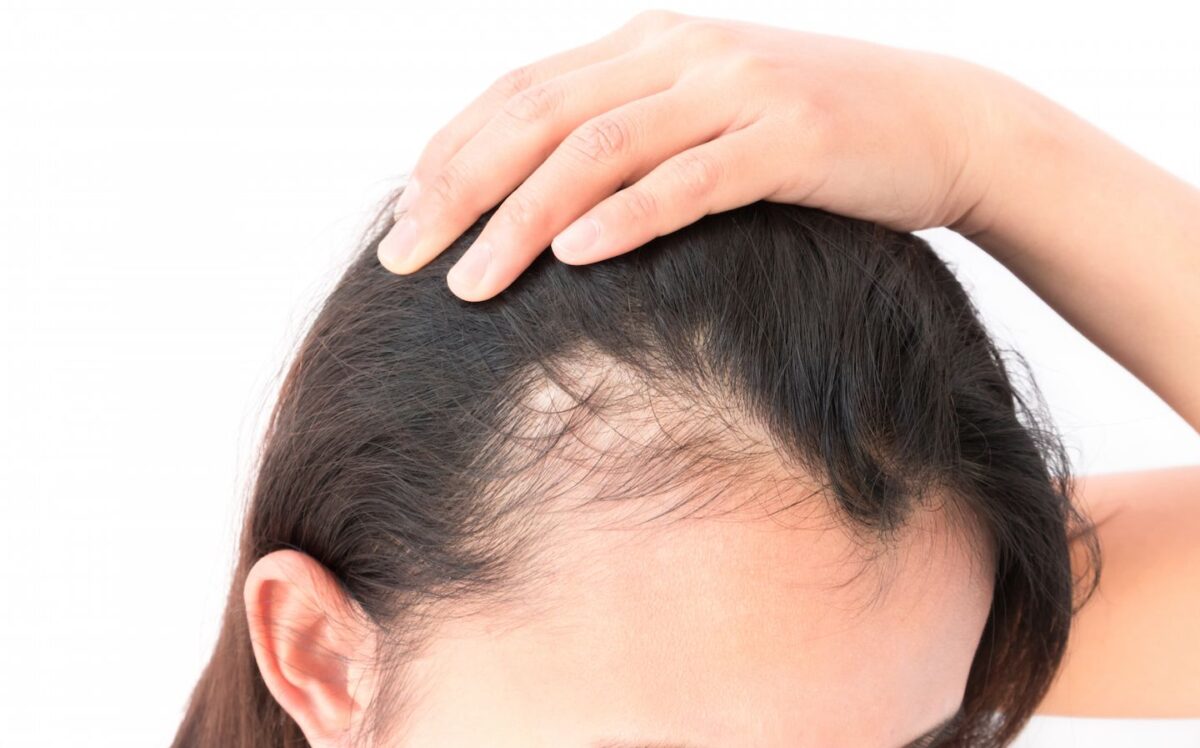
Stress is a common problem in today’s busy life. Work pressure, poor sleep, and emotional stress can affect hair health and increase hair fall. Managing stress and improving daily care can reduce shedding, but permanent hair loss may require a long-term solution like a hair transplant.
Stress Can Trigger Excessive Hair Fall
High stress levels can disturb the natural hair growth cycle. Hair normally grows, rests and sheds in different phases. Continuous stress can push more hair follicles into the shedding phase, causing noticeable hair fall.
How Stress Affects Hair Follicles
When the body experiences stress it releases hormones that can affect normal functions. These changes may weaken hair follicles and slow down healthy hair growth.
Common effects of stress on hair include:
- Increased hair shedding
- Thinning of scalp hair
- Weak hair strands
- Reduced hair volume
- Slow hair growth
Key Points to Know: Stress does not always cause permanent hair loss but long-term stress can make existing hair problems worse and affect overall hair quality.
Daily Pressure Can Increase Hair Fall
Today people face more stress than ever before. Long working hours, constant use of digital devices, poor sleeping patterns and unhealthy routines can affect hair health.
Daily Stress Factors That Affect Hair
Several lifestyle factors can increase hair fall including:
- Work pressure
- Emotional stress
- Lack of sleep
- Poor nutrition
- Mental exhaustion
These factors reduce the body’s ability to maintain strong and healthy hair follicles.
Better Stress Control Supports Hair Health
Managing stress is an important step toward healthier hair. Small changes in daily routine can support better hair growth and reduce unnecessary shedding.
Simple Ways to Control Stress
You can support your hair health by:
- Getting enough sleep
- Eating nutritious food
- Drinking enough water
- Exercising regularly
- Taking short breaks during busy days
- Practicing relaxation activities
A healthier body creates better conditions for strong hair growth.
Important Things to Know: Stress management can reduce hair fall but it cannot restore hair follicles that are permanently damaged or lost.
When Stress Causes Long-Term Hair Loss
Some people experience temporary hair shedding after stressful events. Hair may grow back when stress levels improve. However continuous stress can worsen genetic hair loss and create permanent thinning.
Signs You Need Professional Advice
You should consult a specialist if you notice:
- Hair loss lasting for several months
- Visible bald patches
- Receding hairline
- Reduced scalp coverage
- No improvement after lifestyle changes
A proper examination helps identify the real cause of hair loss and the right treatment option.
Hair Transplant Helps Restore Lost Hair
A hair transplant is a reliable solution for permanent hair loss. During the procedure, healthy hair follicles are taken from the donor area and placed in areas affected by thinning or baldness.
Natural Growth Through Transplanted Follicles
Transplanted hair grows naturally because it comes from your own scalp. After the healing period these follicles continue producing new hair.
A successful hair transplant focuses on:
- Natural hairline design
- Proper graft placement
- Healthy donor hair
- Balanced hair density
Important Things to Know:If you are looking for the best hair transplant in Lahore choose a clinic that provides expert consultation, advanced techniques and proper aftercare support.
Choosing the Right Treatment Plan
Every person experiences hair loss differently. Some people may recover with stress control and medical care while others may need a hair restoration procedure.
Professional Evaluation Gives Better Results
A specialist evaluates:
- Hair loss pattern
- Scalp condition
- Donor hair strength
- Overall hair health
This helps create a treatment plan according to your specific needs.
Good Care Helps New Hair Grow
After a hair transplant proper care is important for successful results. Newly transplanted follicles need protection during the recovery period.
Steps to Protect New Hair Growth
Patients should:
- Follow the surgeon’s instructions
- Avoid touching the transplanted area
- Wash the scalp carefully
- Protect the scalp from sunlight
- Take prescribed medicines
Proper aftercare improves healing and supports stronger hair growth.
Daily Care Keeps Hair Strong
Maintaining healthy routines after treatment helps protect your results. Hair requires proper nutrition and care to stay strong.
Daily Practices for Better Hair
Helpful practices include:
- Eating protein-rich foods
- Managing stress levels
- Maintaining proper sleep
- Avoiding harmful habits
- Keeping the scalp clean
These steps support healthy follicles and improve overall hair quality.
Expert Clinic Support Improves Results
A successful hair transplant requires proper planning, expert care and advanced techniques. Many patients trust Institute Cosmetique for personalized treatment plans and complete support from consultation to recovery.
Slow Growth Leads to Natural Results
Hair growth takes time and transplanted follicles need months to show visible results. Following medical advice and maintaining proper care helps achieve better outcomes. Institute Cosmetique guides patients through every recovery stage for confident results.
Wrapping up
Stress can have a strong effect on hair health and may increase hair fall. Modern lifestyle pressure, poor sleep and emotional stress can weaken hair growth. Managing stress and maintaining healthy care can improve hair condition. When hair loss becomes permanent a hair transplant can help restore lost hair and create natural-looking results. With proper treatment and professional guidance achieving fuller and healthier hair becomes possible.
Frequently Asked Questions
1. Can stress cause hair loss?
Yes. high stress levels can disturb the hair growth cycle and increase hair shedding.
2. Can stress-related hair fall grow back naturally?
Temporary stress-related hair loss may improve when stress levels reduce and proper care is maintained.
3. Is hair transplant suitable for stress-related hair loss?
A hair transplant can help when stress has contributed to permanent hair loss and healthy donor hair is available.
4. How long does hair transplant recovery take?
New hair growth usually starts after a few months while final results may appear within 10 to 12 months.
5. How can I protect my hair from stress damage?
Managing stress, improving sleep, eating a balanced diet and following proper hair care can help protect hair health.