
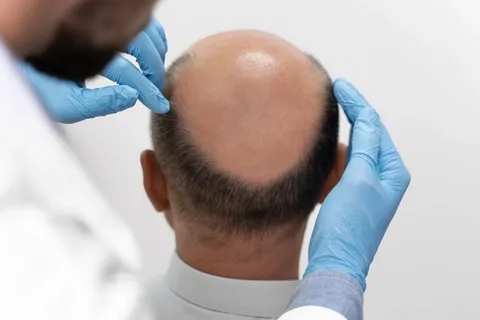
Thin and weak hair can reduce hair density and affect appearance. Genetics, aging and lifestyle factors often contribute to hair thinning. A hair transplant restores lost density by moving healthy follicles to areas with reduced growth.
What Causes Damage and Thin Hair?
Several factors can make hair appear thin and unhealthy. Common causes include:
- Genetic hair loss that affects hair growth patterns
- Aging that reduces follicle activity
- Hormonal changes that influence hair cycles
- Poor nutrition that affects hair strength
- Excessive heat and chemical treatments
- Stress and unhealthy lifestyle habits
- Certain scalp conditions
Key Points to Know:A specialist first identifies the reason behind hair thinning before suggesting any treatment. This helps create a suitable plan based on the patient’s needs.
Can Hair Transplant Restore Thin Hair?
A hair transplant can restore hair in areas where follicles have stopped producing growth permanently. The procedure does not repair damaged hair strands. Instead it adds healthy follicles to thinning or bald areas of the scalp.
Doctors take strong follicles from the donor area and place them into areas with reduced hair density. These transplanted follicles continue to grow naturally and help improve the overall appearance of the hair.
How Hair Transplant Works For Thin Hair
Specialists first evaluate the scalp hair loss pattern and donor area. During the procedure doctors collect healthy follicles from the donor area and implant them into thinning areas while following natural hair growth patterns to create better density.
When Is Hair Transplant Recommended?
A hair transplant may suit people who have:
- Permanent hair thinning
- Bald patches or reduced hair density
- Healthy donor hair availability
- Stable hair loss patterns
- Realistic expectations about results
Key Points to Know:People with temporary hair loss may need other treatments first. A proper consultation helps determine whether a transplant can provide effective results.
Key Advantages of Hair Transplant For Thin Hair
A hair transplant offers several benefits for suitable candidates including:
- Natural-looking hair growth
- Long-lasting improvement
- Better coverage of thinning areas
- Improved hair density
- Reduced need for temporary solutions
- Hair growth that matches existing hair texture
Key Points to Know:The results depend on factors such as follicle quality, treatment technique and the patient’s healing process.
Recovery Time
After the procedure the scalp needs time to heal. Patients may notice mild redness, swelling or small scabs around the treated areas. These effects usually improve within a short time.
New hair growth takes place gradually. Patients usually notice early changes after a few months while fuller results appear as the transplanted follicles complete their growth cycle.
Following the specialist’s aftercare instructions helps protect the newly implanted follicles.
Limitations and Considerations of Hair Transplant
Although a hair transplant can improve hair density it does not work for every type of hair problem. The procedure requires enough healthy donor follicles to achieve proper coverage.
It also cannot prevent future hair loss in untreated areas. Some patients may need additional treatments to maintain existing hair growth.
A specialist can explain the expected results after evaluating the scalp and hair condition.
Choosing the Right Hair Specialist
Choosing an experienced clinic plays an important role in achieving safe and natural results. People searching for the best hair transplant in Lahore should select a specialist who carefully evaluates hair loss patterns, donor hair strength and individual treatment requirements.
Institute Cosmetique provides personalized hair restoration treatments using advanced techniques and professional care. The clinic focuses on creating natural results according to each patient’s needs.
Sum up
A hair transplant can help restore hair density in people experiencing permanent thinning or baldness. The procedure moves healthy follicles to areas with reduced growth and allows natural hair development over time. It does not repair damaged hair strands but provides a long-term option for suitable candidates. Proper evaluation and expert guidance from Institute Cosmetique help patients achieve better treatment outcomes.
Frequently Asked Questions
Can hair transplant restore thin hair?
Yes. A hair transplant can improve hair density when patients have permanent hair loss and enough healthy donor follicles.
Does a hair transplant give natural results?
Yes. specialists place follicles according to natural hair direction to create a more natural appearance.
How long does hair transplant recovery take?
Most patients recover within a few weeks while new hair growth continues gradually over several months.
Can damaged hair receive a hair transplant?
A hair transplant does not fix damaged hair strands but can restore areas where hair growth has reduced permanently.
Are hair transplant results permanent?
Transplanted follicles usually provide long-lasting results but patients should maintain proper hair care to support existing growth.