
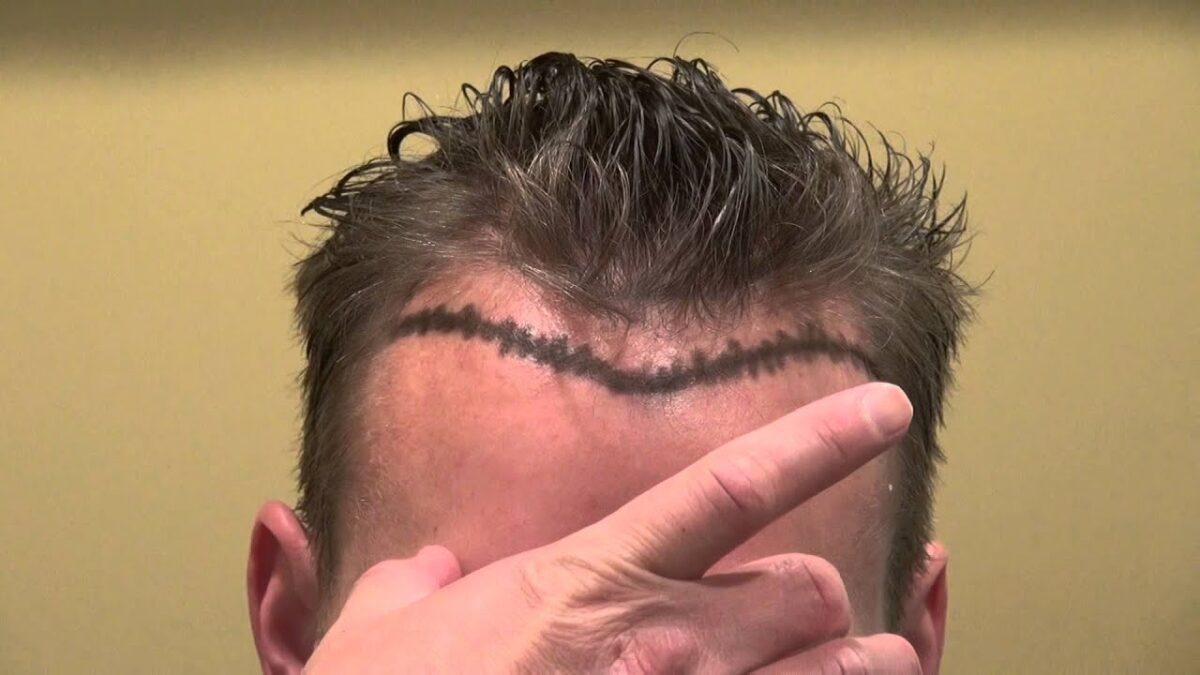
A receding hairline is one of the most noticeable signs of hair loss. It usually affects the front portion of the scalp and can gradually change the overall appearance of the face. When the hairline moves backward the forehead may appear more prominent and the natural balance of facial features can change.
A hair transplant can help restore a receding hairline by placing healthy hair follicles in areas where hair growth has reduced. The process requires careful assessment because the front hairline needs to match the person’s facial structure, age and existing hair pattern.
Understanding Hairline Recession
Hairline recession does not happen the same way for every person. Some individuals experience gradual thinning near the temples while others notice changes across the entire front area.
Common patterns of hairline recession include:
- Temple recession
- Front hairline thinning
- Uneven hairline changes
- Increased forehead visibility
Key Points to Know:The pattern of recession helps specialists understand the level of restoration required and plan a suitable approach.
Reasons Behind Hairline Changes
Several factors can influence the movement of the hairline. Identifying these factors helps in creating a more suitable restoration plan.
Important factors include:
- Genetic tendency
- Natural aging process
- Hormonal changes
- Continuous hair thinning
- Individual hair growth patterns
Key Points to Know:A detailed evaluation helps determine whether restoring the hairline can provide long-term improvement.
Hairline Analysis
Before treatment specialists review the current condition of the front scalp area. This assessment focuses on understanding the existing hairline and the changes that have occurred over time.
The evaluation may include:
| Assessment Area | Purpose |
| Front hairline | Review the level of recession |
| Temple area | Identify side hair loss |
| Existing growth | Plan natural blending |
| Facial structure | Create suitable hairline placement |
| Hair loss pattern | Understand future changes |
This information supports a more accurate restoration plan.
Creating a Natural Hairline Shape
The appearance of the hairline plays an important role in the final look. A natural hairline is not completely straight because real hairlines usually have small variations.
Specialists consider:
- Facial proportions
- Natural hair direction
- Hairline position
- Patient’s age
- Existing facial features
The purpose is to create a hairline that looks natural and fits the individual’s appearance.
Front Area Restoration
The temples and front corners are common areas affected by recession. These areas require careful attention because they strongly influence the shape of the face.
Restoring these sections can help:
- Improve the frame of the face
- Reduce the appearance of excessive forehead space
- Create better balance between facial features and hairline
- Improve overall hair appearance
Important Things to Know:The placement approach depends on how much recession has occurred and the patient’s specific needs.
Existing Growth Assessment
Existing hair around the affected area is considered during treatment planning. The restored area should blend with natural hair instead of appearing separate.
Specialists consider:
- Current hair direction
- Natural spacing
- Hair texture
- Surrounding growth pattern
This helps maintain a smoother transition between restored and existing hair.
Hairline Outcome Factors
The outcome of hairline restoration can vary depending on several personal factors.
Important considerations include:
- Condition of existing hair
- Degree of recession
- Individual healing response
- Hair characteristics
- Long-term hair changes
Key Points to Know:A proper consultation helps patients understand what type of improvement may be realistic for their condition.
Result Planning
A successful hairline restoration focuses on improvement rather than creating an unnatural appearance. Specialists discuss achievable goals according to the patient’s current hair condition.
During consultation patients can discuss:
- Desired hairline appearance
- Expected changes
- Suitable treatment options
- Long-term considerations
Clear communication helps create a treatment plan that matches the patient’s expectations.
Clinical Hair Care
Selecting an experienced specialist is an important step when considering hairline restoration. A qualified doctor evaluates the hair loss pattern and recommends an approach based on individual requirements.
Patients looking for the best hair transplant in Lahore should consider professional expertise, consultation quality and treatment planning before making a decision.
Institute Cosmetique provides hair restoration consultations where specialists evaluate individual concerns and discuss suitable options according to each patient’s condition.
Why Proper Planning Matters
Hairline restoration requires attention to small details because the front area is highly visible. Proper planning helps create results that complement the patient’s appearance.
A detailed approach considers:
- Natural hair characteristics
- Facial balance
- Hairline position
- Individual restoration goals
This planning process helps support a more natural-looking outcome.
Sum up
A receding hairline can affect both appearance and confidence. A hair transplant can help improve front hair loss by restoring hair in areas where growth has reduced.
The success of hairline restoration depends on proper evaluation, natural design and a treatment approach created according to each patient’s needs. With professional guidance and careful planning, patients can achieve a more balanced and natural hair appearance.
Institute Cosmetique focuses on personalized hair restoration care by evaluating each patient’s concerns and providing suitable treatment guidance.
Frequently Asked Questions
1. Can hair transplant restore a completely receded hairline?
A specialist evaluation is needed to determine whether sufficient resources are available for restoring the affected area.
2. Does hairline restoration look natural?
Yes. proper planning and placement techniques help create a hairline that matches the patient’s appearance.
3. What areas are commonly affected by hairline recession?
The front hairline and temple areas are commonly affected by recession.
4. Is hairline restoration planned differently for every person?
Yes. Each patient has different hair patterns, facial features and restoration needs.
5. Why is consultation important before hairline restoration?
Consultation helps specialists understand the condition and create a suitable treatment approach.