
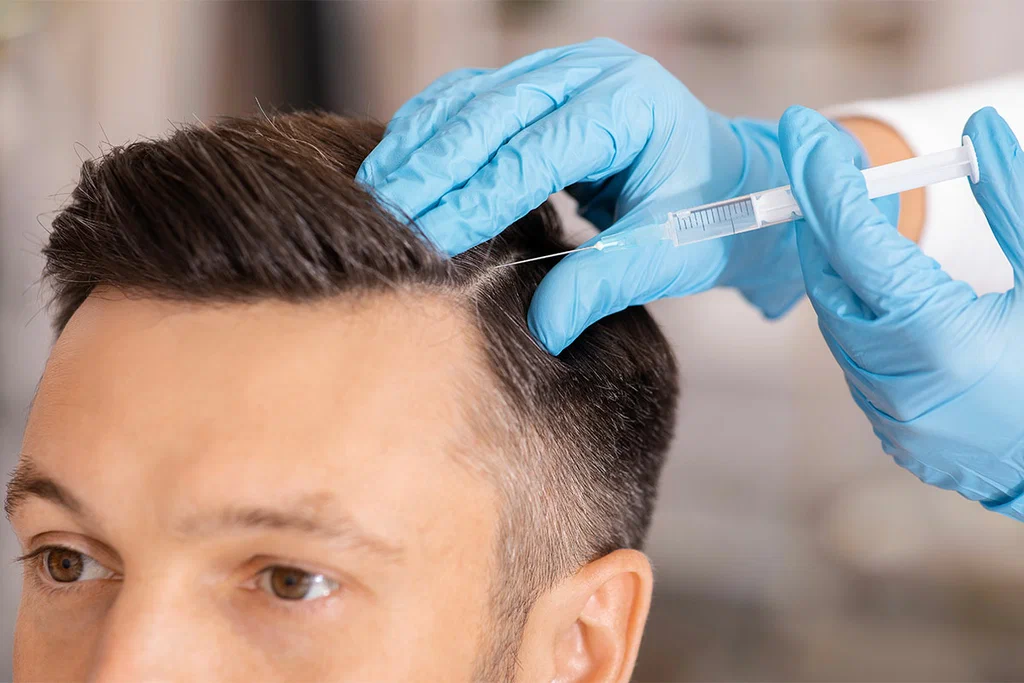
Hair loss affects millions of people and often reduces confidence. Modern hair restoration treatments offer several effective solutions with Hair Transplant and PRP (Platelet-Rich Plasma) Therapy being two of the most popular options. Many people wonder whether these treatments can be combined for better results. The answer is yes. In many cases, doctors recommend using both treatments together because they perform different roles in the hair restoration process. A hair transplant restores lost hair while PRP supports healing and strengthens existing hair. Understanding how these treatments work together helps you make an informed decision.
Science Behind Hair Transplant Surgery
A Hair Transplant is a surgical procedure that moves healthy hair follicles from the donor area, usually the back of the scalp to bald or thinning areas. Once the transplanted follicles settle into their new location they begin to grow naturally. This treatment provides a long-term solution for people with moderate to severe hair loss.
The success of a hair transplant depends on healthy donor hair proper surgical planning and following the recommended aftercare instructions.
What Is PRP Therapy?
PRP Therapy is a non-surgical treatment that uses your own blood to promote hair growth. A doctor collects a small blood sample, separates the platelet-rich plasma, and injects it into the scalp.
Can Hair Transplant and PRP Be Used Together?
Yes. Hair Transplant and PRP Therapy can be used together and many hair restoration specialists recommend this combination. Since both treatments have different purposes, they complement each other instead of competing.
A hair transplant replaces missing hair by moving healthy follicles into bald areas. PRP does not replace hair but it creates a healthier scalp environment that supports the transplanted follicles. Combining both treatments often improves the overall outcome.
Why Do Doctors Recommend Combining Both Treatments?
Doctors recommend using both treatments because they focus on different parts of the hair restoration process.
A Hair Transplant restores permanent hair in areas where hair no longer grows. PRP Therapy nourishes the scalp and strengthens both transplanted and existing hair follicles. This combination helps patients achieve thicker, healthier and more natural-looking hair.
Instead of relying on one treatment alone, combining both methods allows the scalp to recover while encouraging stronger hair growth.
Benefits of Combining Hair Transplant and PRP
Using both treatments together offers several important advantages.
- Supports faster healing after the transplant.
- Strengthens transplanted hair follicles during the recovery period.
- Helps improve the health of existing hair.
- Encourages better hair density.
- Creates a healthier scalp environment.
- May reduce temporary hair shedding after surgery.
- Supports long-lasting and natural-looking results.
Key point to know:Because of these benefits many specialists include PRP sessions as part of a complete hair restoration plan.
When Is PRP Performed After a Hair Transplant?
The timing of PRP depends on the doctor’s treatment plan. In many cases, patients begin PRP therapy a few weeks after the transplant once the scalp starts healing.
Several PRP sessions may be recommended over the following months to support the transplanted follicles during the early growth phase. The exact schedule depends on the patient’s hair condition and recovery progress.
Who Can Benefit from Both Treatments?
Combining Hair Transplant and PRP Therapy is suitable for people who:
- Have moderate or advanced hair loss.
- Want to improve transplant success.
- Wish to strengthen my existing hair.
- Expect thicker and healthier hair growth.
- Want to maintain their results for a longer period.
Key point to know:Patients with healthy donor hair and realistic expectations usually benefit the most from this combined approach.
Choosing the Right Hair Restoration Clinic
The success of both treatments depends on the experience of the medical team. A personalized treatment plan is more valuable than following the same procedure for every patient.
If you are searching for the best hair transplant in Lahore choose a clinic that carefully evaluates your hair loss pattern, donor hair quality and long-term goals before recommending treatment. Institute Cosmetique provides customized hair restoration plans designed to meet each patient’s individual needs.
Final Results
Using Hair Transplant and PRP Therapy together can improve the overall success of hair restoration. A hair transplant restores lost hair while PRP strengthens the scalp and supports healthy follicle growth. Since both treatments perform different functions they work well as a combination for many patients. However the right treatment plan should always be based on a professional evaluation of your hair condition. Institute Cosmetique offers personalized guidance to help patients choose the most suitable approach for achieving natural, healthy and long-lasting hair restoration.
Frequently Asked Questions
1. Can PRP improve Hair Transplant results?
Yes. PRP can strengthen transplanted follicles and support healthier hair growth during recovery.
2. Is PRP necessary after a Hair Transplant?
It is not mandatory but many doctors recommend it because it may improve healing and overall hair quality.
3. How many PRP sessions are needed after a Hair Transplant?
The number of sessions varies but many patients receive several treatments over the first few months after surgery.
4. Can PRP grow hair in completely bald areas?
No. PRP works best on existing hair follicles and cannot replace hair that is completely lost.
5. Is combining Hair Transplant and PRP safe?
Yes. When performed by qualified professionals, combining these treatments is generally considered safe and effective for suitable candidates.