
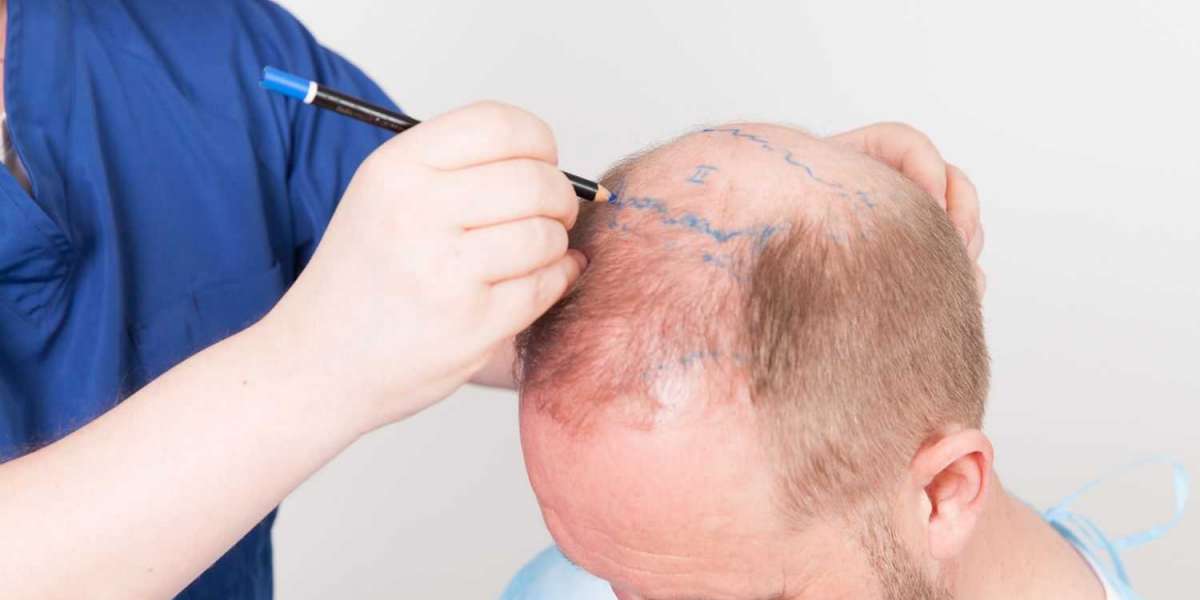
A natural-looking hair transplant depends on more than just adding new follicles to areas with reduced growth. The direction of hair follicles plays an important role in creating a realistic appearance because natural hair does not grow randomly. Each area of the scalp has its own growth pattern, angle and flow that contribute to the overall look of the hair.
During transplantation, specialists carefully consider these natural patterns to ensure that implanted follicles blend smoothly with existing hair.
Natural Hair Growth Direction
Every person has a unique hair growth pattern. Hair follicles emerge from the scalp at specific angles that determine how the hair falls and appears.
The direction of hair growth is influenced by:
- Follicle angle
- Scalp structure
- Natural hair flow
- Existing growth pattern
Key Points to Know:Maintaining these characteristics during transplantation helps the restored hair look more natural. If follicles are placed without considering their original direction, the final result may appear uneven or artificial.
Achieving Natural Hair Flow
The angle at which hair follicles are implanted affects how the hair covers the scalp. Proper angles allow new hair to follow the same movement as surrounding strands.
Correct follicle placement helps:
- Create natural hair movement
- Improve scalp coverage
- Blend transplanted hair with existing growth
- Maintain a realistic appearance
Key Points to Know:A skilled specialist focuses on creating a pattern that matches the patient’s original hair characteristics rather than using the same placement method for every person.
Hair Growth Patterns Across Scalp Areas
Hair direction is not identical across the entire scalp. Different regions require different placement strategies because their natural patterns vary.
For example:
- Front scalp hair usually follows a forward direction
- Temple areas require careful angling to maintain facial balance
- Crown area hair often follows a circular growth pattern
Key Points to Know:Understanding these differences helps specialists create a restoration plan that looks more natural and balanced.
Existing Hair and New Hair Blending
Existing hair provides important guidance during transplantation. New follicles need to match the direction of nearby natural hair to create a smooth transition.
Specialists consider:
- Current hair movement
- Existing follicle angles
- Hair thickness
- Surrounding growth pattern
Key Points to Know:This approach prevents visible differences between transplanted and natural hair. Proper blending allows the restored area to appear like a natural part of the scalp.
Impact of Incorrect Hair Placement
Poor follicle placement can impact the overall appearance of a hair transplant. Even when healthy follicles are used, incorrect direction may create an unnatural look.
Possible concerns include:
- Hair standing in an unusual pattern
- Poor blending with existing hair
- Uneven visual density
- Less natural styling results
This is why follicle placement requires detailed planning and technical accuracy.
Creating a Natural Hair Pattern
The goal of a successful hair transplant is not only to increase hair coverage but also to recreate natural hair flow. Specialists study the patient’s existing hair pattern before deciding how follicles should be positioned.
A natural approach focuses on:
- Matching original growth direction
- Following scalp contours
- Maintaining suitable angles
- Creating smooth transitions
This detailed method helps improve the overall appearance of restored hair.
Specialist Experience
Proper hair follicle direction requires expert skills and precision for natural-looking results. People searching for the best hair transplant in Lahore should consider specialist experience and treatment quality. Institute Cosmetique provides personalized hair restoration consultations based on individual needs.
Creating a Suitable Hair Plan
Every patient has different hair characteristics, which means follicle direction planning should never follow a standard method. Factors such as natural growth pattern, scalp area and desired appearance help determine the right approach.
A personalized plan focuses on creating results that match the person’s existing hair rather than making the transplanted area look separate.
Long-Term Results of Proper Placement
Correct follicle placement helps transplanted hair grow naturally and maintain a consistent appearance over time. Institute Cosmetique provides personalized hair restoration guidance based on individual hair characteristics.
Sum Up
Hair follicle direction plays an important role in creating natural-looking hair transplant results. Proper placement and expert planning help transplanted hair blend smoothly with existing strands.
Frequently Asked Questions
1. Why is hair follicle direction important in a hair transplant?
Hair follicle direction helps transplanted hair blend with natural growth patterns and creates a more realistic appearance.
2. Can incorrect follicle placement affect hair transplant results?
Yes. incorrect placement direction may make hair look unnatural and affect proper blending with existing hair.
3. Do different scalp areas have different hair growth directions?
Yes. areas like the front scalp, temples and crown have different natural growth patterns that require careful placement.
4. How do specialists decide the right follicle direction?
Specialists evaluate existing hair patterns, scalp areas and natural hair flow before placing follicles.
5. Does proper follicle placement improve long-term hair appearance?
Yes. Correct placement supports natural-looking growth and helps maintain better hair appearance over time.