
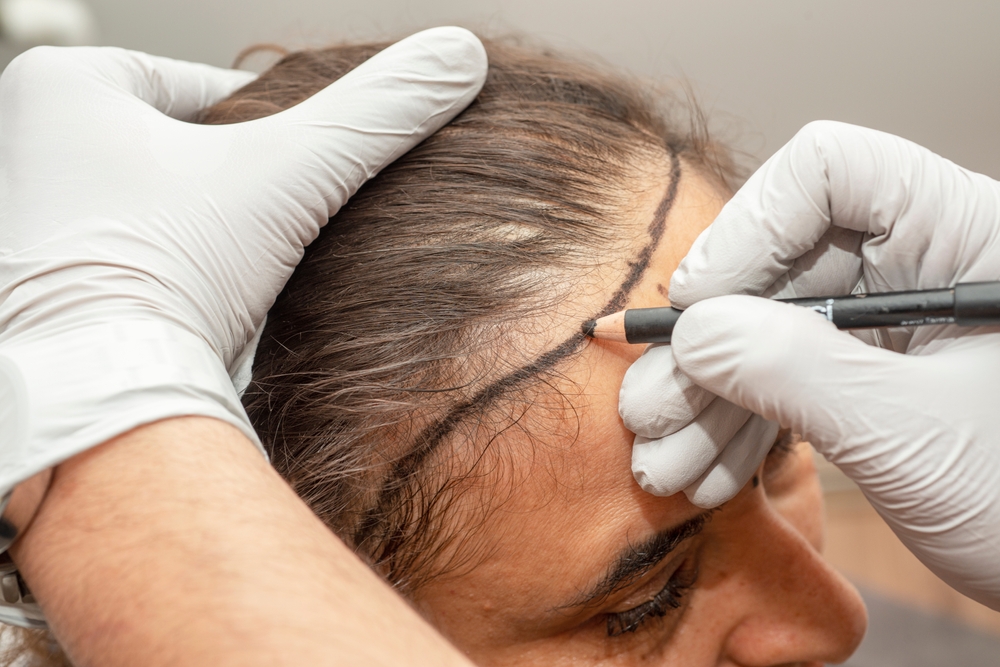
A hair transplant plan is created after studying several factors related to hair loss, existing hair growth and the patient’s restoration goals. Specialists do not follow one fixed method for every person because hair loss patterns and available donor resources vary from patient to patient.
A proper plan helps determine the suitable treatment approach, expected coverage and placement strategy before the procedure begins.
Hair Loss Assessment
The first step involves collecting detailed information about the patient’s hair loss history and current condition.
Specialists review:
- Duration of hair loss
- Previous treatments
- Family history of hair loss
- Current medications
- Hair restoration goals
Key Points to Know:This information helps identify the reason behind hair thinning and supports better treatment decisions.
Hair and Scalp Mapping
Detailed mapping helps specialists understand which areas require improvement. The scalp is examined to identify thinning zones and areas where hair restoration may be needed.
During this stage, specialists analyze:
- Areas with reduced hair density
- Existing hair distribution
- Natural hair direction
- Pattern of future hair loss
This evaluation helps create a balanced restoration plan instead of focusing only on visible bald areas.
Donor Area Assessment
The donor area provides the follicles used during hair restoration. Its condition is carefully reviewed before planning the procedure.
Specialists evaluate:
| Donor Area Factor | Purpose |
| Follicle availability | Estimate possible restoration capacity |
| Hair thickness | Understand coverage potential |
| Density | Plan follicle distribution |
| Scalp condition | Ensure suitability for the procedure |
A proper donor area assessment helps avoid unrealistic expectations and supports long-term planning.
Estimating Required Follicles
The number of required follicles depends on the size of the treatment area and the level of coverage needed.
Specialists consider:
- Size of thinning area
- Desired appearance
- Existing hair pattern
- Available donor follicles
The goal is to create a suitable balance between coverage needs and available resources.
Hairline Planning
A natural-looking hairline requires careful consideration of facial features and existing hair structure.
Specialists focus on:
- Hairline position
- Natural shape
- Hair direction
- Age-appropriate appearance
Key Points to Know:A properly planned hairline helps the transplanted hair blend with existing growth and maintain a natural look.
Treatment Strategy
Different patients may require different approaches depending on their condition. Specialists select a suitable method after reviewing all assessment details.
The decision may depend on:
- Hair loss pattern
- Treatment area
- Follicle requirements
- Patient goals
A customized approach allows treatment to match the patient’s specific needs.
Creating a Treatment Schedule
Planning also includes organizing the procedure steps and recovery guidance. Specialists explain the process so patients know what to expect before, during, and after treatment.
A treatment schedule may include:
- Consultation details
- Procedure planning
- Recovery instructions
- Follow-up appointments
Clear planning helps patients prepare properly for their hair restoration journey.
Personalized Hair Restoration Planning
Every patient requires a different strategy because no two hair loss cases are exactly the same. A personalized plan considers current hair condition, future needs and desired improvements.
For patients searching for the best hair transplant in Lahore choosing a clinic that focuses on detailed planning and professional evaluation can support better treatment decisions.
Institute Cosmetique follows a patient-focused approach where specialists assess individual hair concerns before recommending suitable restoration options.
Specialist Review
A detailed assessment allows specialists to create realistic treatment goals. It also helps patients understand available options and expected outcomes.
Professional planning focuses on:
- Accurate evaluation
- Suitable treatment selection
- Natural-looking restoration
- Patient-specific care
Institute Cosmetique provides hair restoration consultations with a focus on personalized planning and professional guidance.
In Closing
A successful hair transplant begins with proper planning. Patient evaluation, hair mapping, donor assessment and customized treatment decisions all contribute to creating a suitable restoration strategy.
By understanding individual hair needs and planning each step carefully specialists can develop an approach that supports natural and balanced results.
Frequently Asked Questions
1. Why is planning important before a hair transplant?
Planning helps specialists understand hair loss patterns, treatment needs and suitable restoration options.
2. Does every patient need the same hair transplant plan?
No. Each patient has different hair loss patterns and requires an approach based on individual needs.
3. What is checked before planning a hair transplant?
Specialists evaluate hair loss history, donor area, scalp condition and restoration goals.
4. How is the required number of follicles decided?
The required follicles depend on the treatment area, coverage goals and available donor resources.
5. Can a hair transplant plan change between patients?
Yes. Treatment plans are adjusted according to each patient’s specific hair condition.