
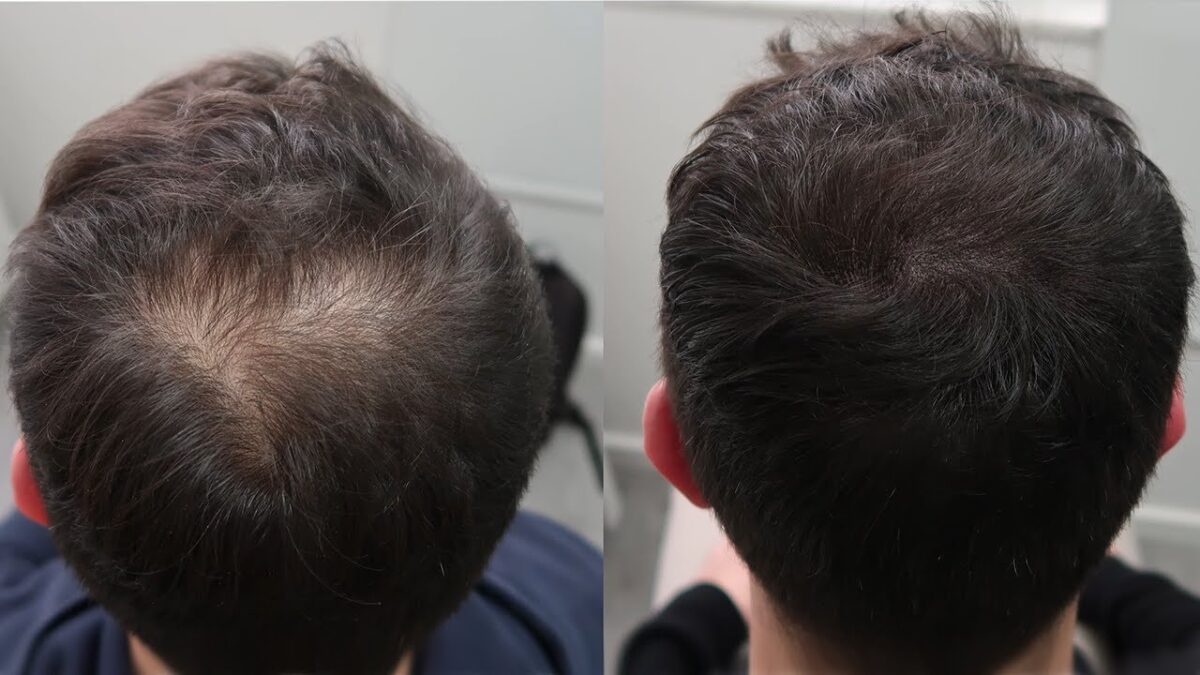
Thin hair can affect your appearance and confidence. While many products offer temporary results a hair transplant restores healthy follicles to thinning areas and helps achieve fuller, natural-looking hair.
Hair Transplant Restores Hair Density
A hair transplant improves hair thickness by moving healthy follicles from the donor area to thinning or bald areas. These follicles continue to grow naturally after the healing process.
Healthy Follicles Produce Better Results
Strong donor follicles increase the chances of successful hair growth. Proper placement also helps create even coverage and a natural hairline.
Key Points to Know: A successful hair transplant focuses on both hair density and a natural appearance rather than simply transplanting a large number of grafts.
Timely Care Supports Hair Recovery
Waiting too long can reduce the number of healthy donor follicles available for transplantation. Seeking treatment early allows better planning and improves the final outcome.
Professional Assessment Comes First
Before recommending treatment a specialist carefully examines:
- Hair loss pattern
- Donor hair quality
- Hair density
- Scalp condition
- Overall hair health
This evaluation helps determine the most suitable treatment plan.
Good Planning Creates Natural Result
Every hair transplant requires careful planning before surgery begins. Hairline design, graft placement and density planning all influence the final appearance.
Natural Hairline Makes a Difference
An experienced surgeon places every graft at the correct angle and direction. Proper spacing allows transplanted hair to blend naturally with existing hair.
Important Things to Know: If you are looking for the best hair transplant in Lahore, choose a clinic that provides detailed consultation, realistic expectations and personalized treatment planning.
Latest Techniques Support Better Results
Different patients require different treatment methods depending on their hair loss and donor area.
Selecting the Right Procedure
The most common techniques include:
- FUE (Follicular Unit Extraction)
- FUT (Follicular Unit Transplantation)
Key Points to Know:Your specialist selects the most suitable method based on your individual condition rather than using the same technique for every patient.
Proper Aftercare Protects New Hair
Recovery plays an important role in the success of a hair transplant. Newly transplanted follicles need time to settle and begin growing.
Follow Aftercare Instructions Carefully
Patients should:
- Wash the scalp as instructed.
- Avoid scratching the treated area.
- Protect the scalp from direct sunlight.
- Take prescribed medicines on time.
- Avoid heavy physical activity during early recovery.
Following these instructions improves healing and supports healthy hair growth.
Hair Growth Takes Time
Many patients expect immediate improvement but hair growth is a gradual process.
Recovery Timeline
- First month: Temporary shedding
- Third to fourth month: New hair begins growing
- Fifth to ninth month: Hair becomes thicker
- Tenth to twelfth month: Final results become visible
Every stage is part of the normal recovery process.
Everyday Care Supports Stronger Hair
Daily habits continue to affect hair quality even after a successful transplant.
Healthy Routine Supports Better Results
Simple habits include:
- Eating protein-rich foods
- Drinking enough water
- Sleeping well every night
- Managing daily stress
- Avoiding smoking whenever possible
These habits support stronger follicles and healthier hair growth over time.
Regular Check-Ups
Follow-up appointments allow your specialist to monitor healing and evaluate hair growth throughout recovery.
Benefits of Regular Check-Ups
During follow-up visits, your specialist checks:
- Graft survival
- Hair growth progress
- Donor area healing
- Scalp condition
Key Points to Know: Many patients choose Institute Cosmetique because the clinic provides personalized follow-up care and supports patients throughout every stage of recovery.
Skilled Specialists Improve Hair Growth
Choosing the right clinic improves your treatment experience and results. Many patients trust Institute Cosmetique for experienced specialists, advanced techniques and natural-looking hair restoration.
Patience Brings the Best Results
Hair transplant results take time as new follicles grow gradually. Following your surgeon’s advice, attending follow-up visits and maintaining healthy habits help achieve fuller, natural-looking hair.
In Closing
A hair transplant is one of the most effective ways to turn thin hair into thicker and fuller hair. Healthy donor follicles, careful planning, skilled treatment, proper aftercare and regular follow-up all contribute to successful results. With expert guidance and patience you can achieve natural-looking hair that improves both your appearance and confidence.
Frequently Asked Questions
1. Can a hair transplant make thin hair thicker?
Yes. A hair transplant increases hair density by moving healthy follicles into thinning areas, creating a fuller appearance.
2. How long does it take to see thicker hair after a hair transplant?
Most patients notice new growth after three to four months while thicker and fuller hair usually develops between the fifth and twelfth months.
3. Does donor hair affect the final results?
Yes. Strong and healthy donor follicles improve graft survival and produce better long-term hair density.
4. Is aftercare important after a hair transplant?
Yes. Proper aftercare protects transplanted grafts, supports healing and improves overall hair growth.
5. Can healthy habits improve hair transplant results?
Yes. A balanced diet, proper sleep, stress management, hydration and following your specialist’s advice all help maintain healthy hair growth.