
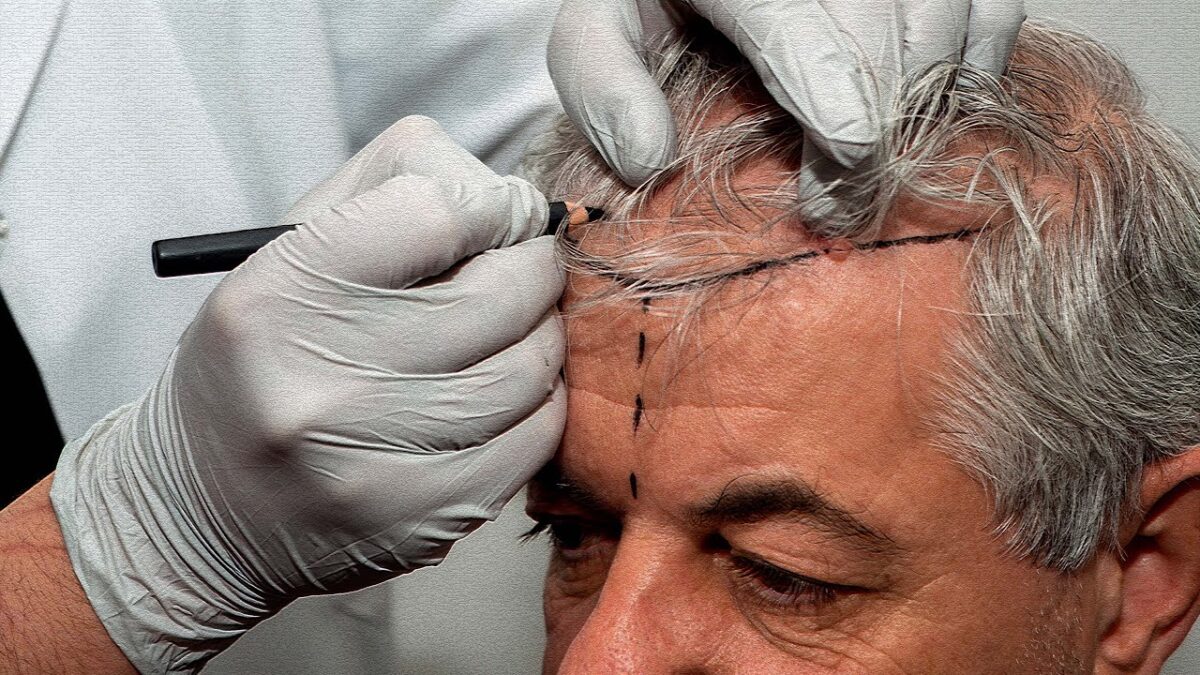
A hair transplant can restore your hair and improve your confidence but the success of the procedure depends on more than the surgery itself. Many patients make simple mistakes before, during or after treatment that affect healing and final results. Knowing what to avoid helps protect your investment and improves the chances of achieving natural-looking hair.
Choosing the Wrong Clinic
One of the biggest mistakes is selecting a clinic based only on low prices. A low-cost procedure may not always provide experienced surgeons modern eq read patient reviews and ask about the surgeon’s qualifications before making your decision.
Ignoring the Surgeon’s Experience
The experience of your surgeon plays a major role in your final appearance. Hairline design, graft placement and overall planning require skill and precision.
Choosing an experienced specialist increases the chances of achieving natural and balanced results.
Hiding Your Medical History
Some patients do not share their complete medical history during the consultation. Medical conditions, medications, allergies or previous treatments can affect both surgery and recovery.
Being honest with your surgeon allows them to create a safer and more effective treatment plan.
Not Following Pre-Surgery Instructions
Your surgeon will provide instructions before the procedure. Ignoring these guidelines can increase the risk of complications.
You may be advised to:
- Stop smoking.
- Avoid alcohol.
- Pause certain medications.
- Wash your hair before surgery.
Important Things to Know: Following pre-surgery instructions prepares your scalp for treatment and supports a smoother recovery.
Expecting Immediate Results
Many patients expect thick hair immediately after surgery. This expectation often leads to unnecessary disappointment.
Hair transplant results develop gradually. New hair usually starts growing after several months, while full results often appear within 10 to 12 months.
Touching the Transplanted Area
The newly transplanted grafts are delicate during the first few days.
Avoid:
- Scratching your scalp.
- Rubbing the treated area.
- Picking at scabs.
- Wearing tight hats unless approved by your surgeon.
These simple precautions help protect the grafts during the healing process.
Ignoring Aftercare Instructions
Proper aftercare is just as important as the procedure itself. Failing to follow your surgeon’s advice may affect healing and hair growth.
After surgery:
- Wash your scalp as instructed.
- Take prescribed medicines.
- Sleep with your head elevated if advised.
- Avoid strenuous exercise during the recovery period.
Key Points to Know:If you are searching for the best hair transplant in Lahore, choose a clinic that provides detailed aftercare guidance and regular follow-up appointments.
Skipping Follow-Up Visits
Some patients feel that follow-up appointments are unnecessary once the procedure is complete.
These visits allow your surgeon to:
- Check graft healing.
- Monitor new hair growth.
- Answer your questions.
- Identify any concerns early.
Key Points to Know:Many patients trust Institute Cosmetique because the clinic provides personalized follow-up care throughout the recovery journey.
Ignoring Long-Term Hair Care
A hair transplant restores lost hair but it does not stop future hair thinning.
To maintain your results:
- Follow a healthy lifestyle.
- Eat a balanced diet.
- Manage stress.
- Use medications if recommended.
- Continue regular check-ups.
Taking care of your natural hair helps preserve your overall appearance for years.
Be Patient Throughout Recovery
Patience is one of the most important parts of a successful hair transplant. Every patient heals at a different speed and comparing your progress with others often creates unnecessary stress.
Institute Cosmetique also emphasizes patient education so individuals know what to expect during each stage of recovery and can confidently follow their treatment plan.
The Bottom Line
Avoiding common mistakes can make a significant difference in your hair transplant results. Choosing an experienced surgeon, following pre- and post-operative instructions, attending follow-up appointments and maintaining healthy habits all contribute to successful recovery. Staying patient throughout the process gives your transplanted hair the time it needs to grow naturally and deliver long-lasting results.
Frequently Asked Questions
1. What is the most common mistake after a hair transplant?
Ignoring aftercare instructions is one of the most common mistakes and can affect healing and hair growth.
2. Can touching the transplanted area damage the grafts?
Yes. Touching, rubbing or scratching the scalp during the early recovery period may disturb the newly transplanted grafts.
3. Why are follow-up appointments important?
They help your surgeon monitor healing, evaluate hair growth and address any concerns during recovery.
4. When can I expect full hair transplant results?
Most patients see their final results between 10 and 12 months after surgery.
5. Can long-term hair care improve my results?
Yes. Healthy habits, proper scalp care and following your surgeon’s advice help maintain strong and natural-looking results.