
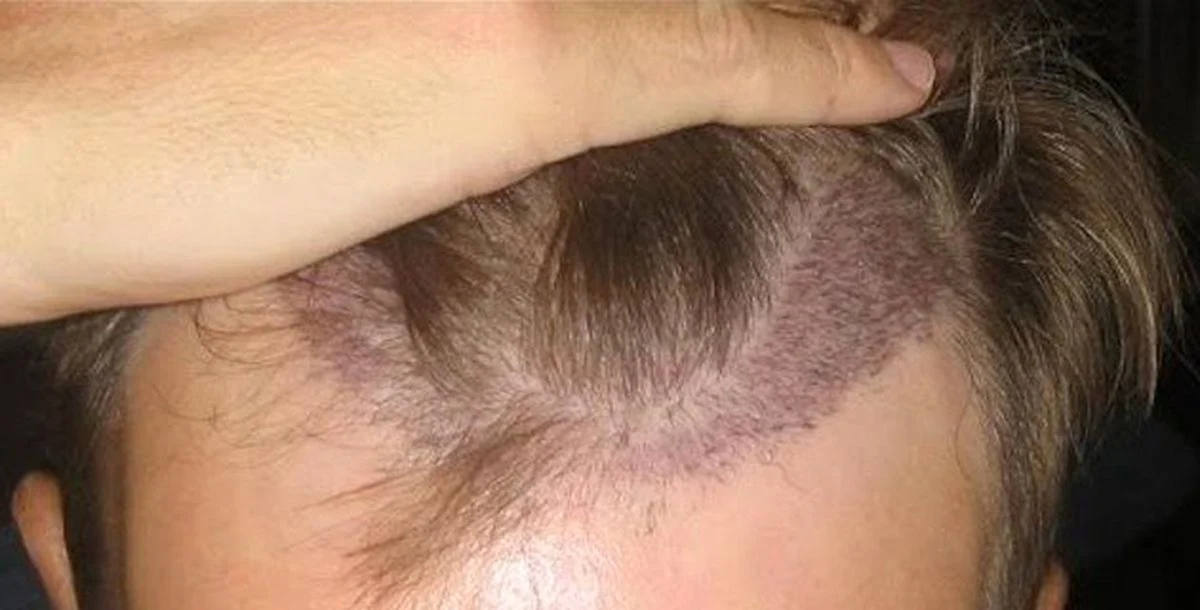
A hair transplant has transformed the way people treat permanent hair loss. Modern techniques offer natural-looking and long-lasting results making the procedure more popular than ever. Despite its popularity many people still believe myths about hair restoration or expect immediate results. Understanding the real facts can help you make informed decisions and prepare for a successful treatment journey.
If you are considering the best hair transplant in Lahore, learning these expert-backed facts will help you know what really happens before, during and after the procedure.
Hair Transplant
A hair transplant is a surgical procedure that restores hair by moving healthy hair follicles from the donor area, usually the back or sides of the scalp, to bald or thinning areas. Modern methods such as Follicular Unit Extraction (FUE) and Follicular Unit Transplantation (FUT) provide natural results with minimal scarring. The success of the procedure depends on the surgeon’s experience, proper planning, and consistent aftercare.
10 Surprising Facts About Hair Transplant You Didn’t Know
1. Transplanted Hair Continues to Grow Naturally
Many people think transplanted hair is artificial. In reality surgeons use their own healthy hair follicles. Once these follicles heal they continue growing naturally just like the rest of your hair.
2. Results Take Time
A hair transplant does not produce instant results. Most transplanted hairs shed within the first few weeks which is completely normal. New hair growth usually begins after three to four months, while full results may take up to one year.
3. Women Can Also Benefit
Hair transplantation is not only for men. Women with stable hair loss and a healthy donor area may also qualify for the procedure after a professional evaluation.
4. Modern Techniques Leave Minimal Scars
Older procedures often left noticeable scars, but advanced methods such as FUE create tiny extraction points that heal quickly and become difficult to detect.
5. The Hairline Requires Artistic Planning
A successful transplant involves more than moving hair follicles. Surgeons carefully design the hairline to match the patient’s facial structure, age and future hair loss pattern. This creates a balanced and natural appearance.
6. A Healthy Donor Area Is Essential
The donor area determines how many healthy follicles are available for transplantation. Patients with strong donor hair usually achieve better density and long-term coverage.
7. Lifestyle Affects Recovery
Healthy habits can improve healing after surgery. Eating a balanced diet, drinking enough water, getting quality sleep and avoiding smoking all support better graft survival. At Institute Cosmetique patients receive detailed recovery instructions that help protect newly transplanted follicles.
8. Every Treatment Plan Is Different
Hair loss patterns vary from person to person. Surgeons evaluate scalp condition, donor hair quality, age and future hair loss before recommending the most suitable treatment plan.
9. Proper Aftercare Protects Your Results
Following aftercare instructions is just as important as the surgery itself. Patients should avoid scratching the scalp, heavy exercise, direct sunlight and smoking during the early recovery period to allow the grafts to heal properly.
10. Hair Transplants Improve Confidence
While the procedure restores hair, many patients also experience improved self-confidence. Natural-looking hair can positively affect social interactions, professional life and overall well-being.
Expert Tips For Better Hair Transplant Results
Experts recommend preparing for surgery by following medical advice, maintaining a healthy lifestyle, and choosing an experienced surgeon. Be patient during recovery because hair growth takes time. Attend every follow-up appointment and protect your scalp throughout the healing process. Clinics such as Institute Cosmetique also educate patients about proper aftercare, helping them achieve healthier and more natural-looking outcomes.
Summary
A hair transplant is one of the most effective long-term solutions for permanent hair loss. Modern surgical techniques provide natural results when performed by experienced professionals and supported by proper aftercare. Understanding these surprising facts helps patients develop realistic expectations and avoid common misconceptions. Careful planning, healthy habits and following expert recommendations all contribute to successful hair restoration.
Frequently Asked Questions
1. Is a hair transplant permanent?
Yes. Transplanted hair follicles usually continue growing permanently because they come from areas resistant to hair loss.
2. When will I see the final results?
Most patients notice significant improvement within 9 to 12 months after surgery.
3. Is the procedure painful?
Doctors perform the procedure under local anesthesia so patients experience very little discomfort during surgery.
4. Can I return to work after a hair transplant?
Many patients return to office work within a few days, depending on their recovery and the type of work they perform.
5. How can I improve my hair transplant results?
Choose an experienced surgeon, follow every aftercare instruction, maintain a healthy lifestyle, attend follow-up appointments and stay patient throughout the hair growth process.