
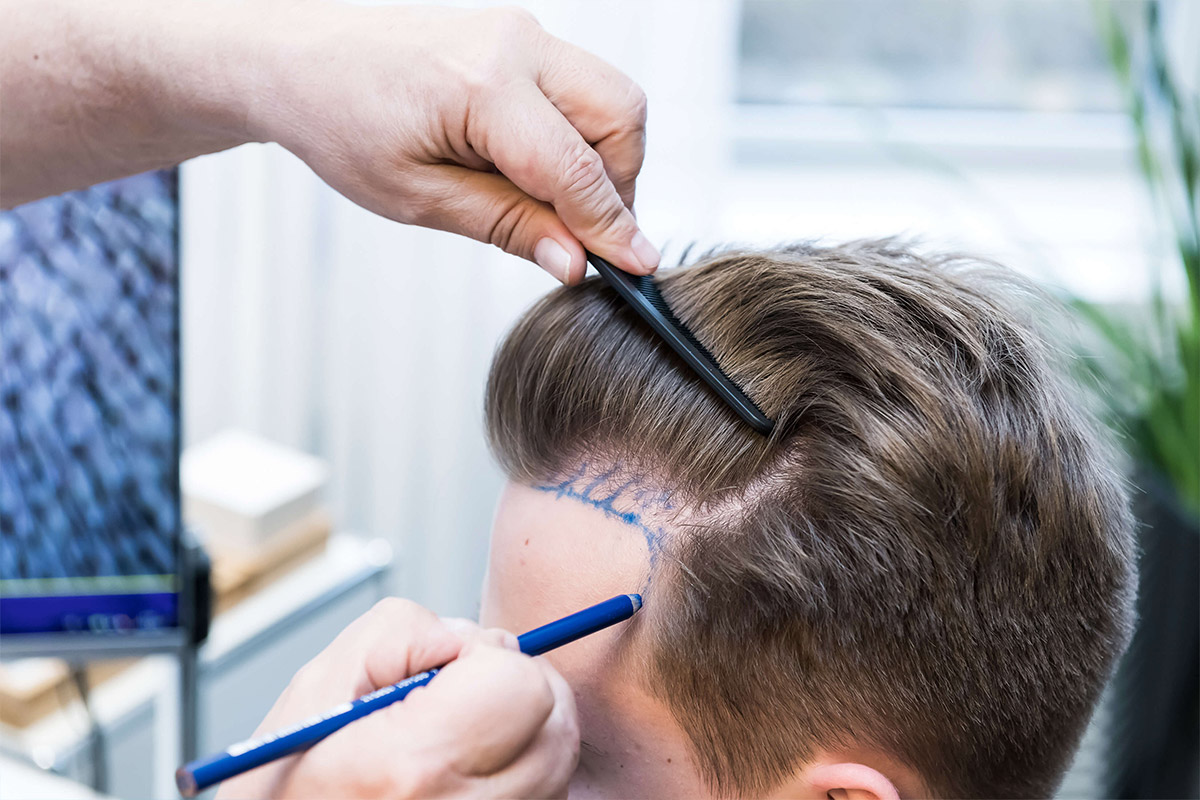
Hair loss can affect appearance and confidence. A hair transplant helps improve thinning areas but understanding the process, preparation and care requirements helps patients make better treatment decisions.
Hair Treatment Based on Individual Needs
A hair transplant is not a standard treatment that works the same way for everyone. Each person has different hair conditions, goals and expectations which is why treatment approaches are planned according to individual requirements.
Specialists consider several factors before recommending a suitable method, including:
- Hair loss concerns
- Overall scalp condition
- Personal restoration goals
- Expected appearance
A personalized approach helps create results that match the patient’s natural features.
Hair Restoration Methods and Options
Modern hair restoration includes different techniques designed to address various types of hair loss. Each method has its own approach and benefits depending on the patient’s needs.
Common techniques may vary based on:
- Procedure method
- Number of follicles required
- Treatment goals
- Patient preferences
Key Points to Know:A specialist helps determine which technique may be more suitable after reviewing the individual condition.
Reviewing Medical Background Before Treatment
Before undergoing a hair transplant, discussing medical history is an important step. Certain health conditions, medications or previous treatments may influence the procedure and recovery process.
A specialist may review:
- Previous hair treatments
- Existing health conditions
- Medication use
- Scalp-related concerns
This information helps create a safer and more effective treatment plan.
Hair Transplant Preparation Tips
Proper preparation can support a smoother treatment experience. Patients usually receive guidance before the procedure to ensure they are ready.
Preparation may include:
- Following specialist instructions
- Avoiding certain products if advised
- Maintaining scalp hygiene
- Discussing concerns before treatment
Good preparation allows the procedure to progress more comfortably.
Hair Transplant Does Not Give Instant Results
One important point to know is that hair growth after transplantation takes time. New hair gradually develops through natural growth cycles rather than appearing immediately after the procedure.
The improvement process may involve:
- Initial healing period
- Gradual hair growth
- Changes in hair thickness over time
- Continued improvement with patience
Understanding this timeline helps patients maintain realistic expectations.
Following Post-Treatment Instructions
Aftercare plays an important role in protecting the treated area and supporting recovery. Following professional instructions helps maintain proper healing after the procedure.
Post-treatment care may involve:
- Protecting the scalp
- Avoiding unnecessary pressure
- Using recommended products
- Attending follow-up appointments
Proper care supports a better overall treatment experience.
Daily Care for Healthy Hair
Healthy lifestyle habits can support overall hair condition. While a hair transplant improves areas affected by hair loss, maintaining good hair health remains important.
Helpful habits include:
- Eating a balanced diet
- Managing stress levels
- Maintaining proper hydration
- Following a healthy routine
These habits contribute to better scalp and hair health over time.
Choosing a Qualified Hair Restoration Clinic
Choosing the right clinic is important for successful hair restoration. People searching for the best hair transplant in Lahore should consider specialist expertise, consultation quality and patient care. Institute Cosmetique offers personalized hair restoration consultations based on individual needs.
Hair Transplant Facts to Know
Many people have misconceptions about hair transplant procedures. Having accurate information helps avoid unrealistic expectations.
Some important facts include:
- Results require patience
- Treatment outcomes vary between individuals
- Professional guidance is important
- Proper care supports recovery
Understanding these points helps patients approach the procedure with a clearer mindset.
Maintaining Hair After Restoration
A hair transplant is an important step toward improving hair appearance but continued care remains valuable. Maintaining scalp health and following professional advice can support long-term hair condition.
Regular attention to hair health may include:
- Using suitable hair care products
- Monitoring changes
- Maintaining healthy habits
- Seeking professional advice when needed
Institute Cosmetique focuses on personalized hair restoration services by providing guidance based on each patient’s concerns and treatment goals.
Sum Up
A hair transplant requires proper knowledge, preparation and professional support. Understanding the procedure, recovery process and care requirements helps patients make better decisions.
With personalized planning and expert guidance, hair restoration can help improve appearance while creating natural and balanced results according to individual needs.
Frequently Asked Questions
1. Is hair transplant suitable for everyone?
Hair transplant suitability depends on factors such as hair condition, scalp health and individual restoration goals. A professional consultation helps determine the right approach.
2. How long does it take to see hair transplant results?
Hair growth after a transplant takes time. Visible improvement usually appears gradually as transplanted follicles go through their natural growth cycle.
3. Does hair transplant provide permanent results?
Transplanted hair can provide long-term improvement but maintaining overall hair health and following professional advice remains important.
4. What should be considered before choosing a hair transplant clinic?
Patients should consider specialist experience, treatment quality, consultation process and the clinic’s approach toward personalized care.
5. Why is aftercare important after a hair transplant?
Aftercare helps support healing, protect the treated area and maintain the overall success of the hair restoration procedure.